

By: HNI, text adapted from information sent by Violeta Zlateva, Regional Coordinator of HomeNet Eastern Europe and Central Asia
UNESCO’s Representative List of the Intangible Cultural Heritage of Humanity celebrates living traditions, skills, and knowledge that communities pass down through generations. These practices are songs, crafts, festivals, and rituals. They survive only because people keep them alive in daily life. In Bulgaria, home-based workers and self-employed artisans are at the heart of this effort.
Three Bulgarian traditions are already on the UNESCO list:
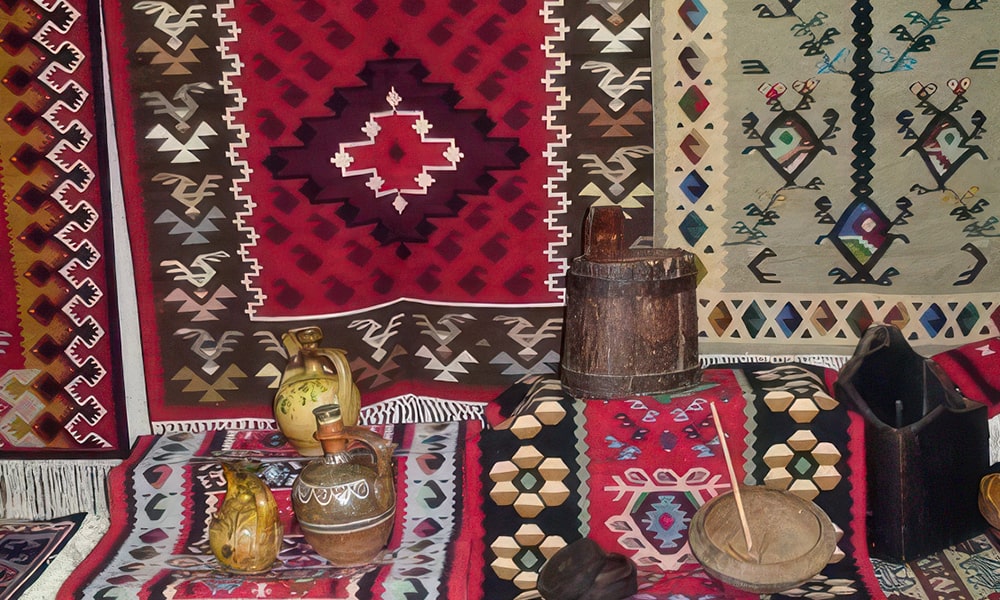
- Chiprovtsi carpet-making (2014), with its handwoven, double-faced designs created in people’s homes.
- The National Festival of Bulgarian Folk Art in Koprivshtitsa (2016), a spectacular gathering of song, dance, crafts, and storytelling.
- High Singing of Dolen and Satovcha (2021), a powerful vocal style preserved in community life.
Other traditions closely tied to community participation also carry recognition or candidacy:
- Nedelinsky two-part singing (Dvuglas), a folk harmony, is being put forward for future inscription.
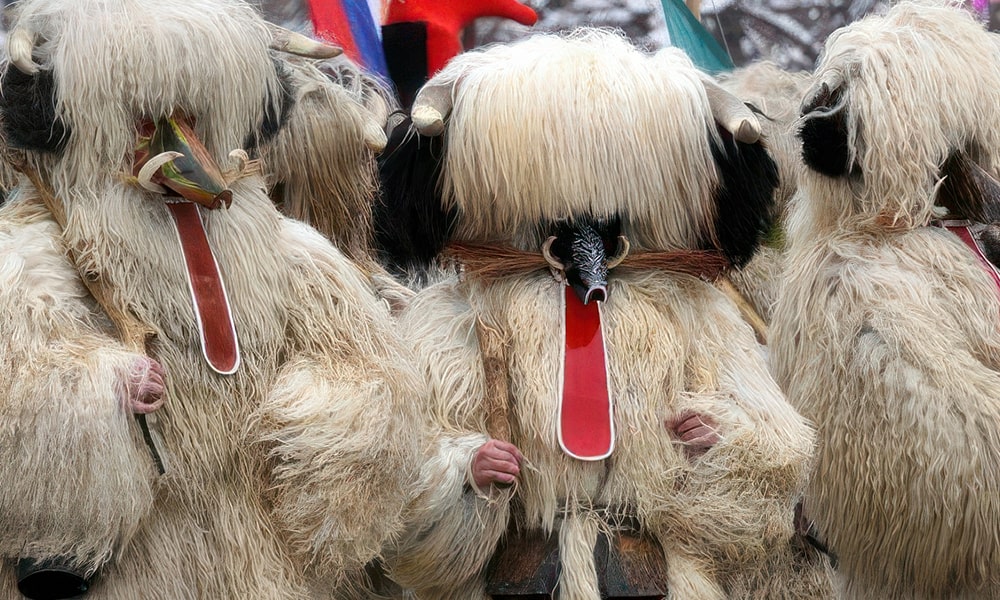
- The Surva / Surova Folk Feast in Pernik (2015) is already on the UNESCO Representative list, honoring ancient masquerade rituals that drive away evil and welcome renewal.
- The Bulgarian chitalishte (community centers) are included in UNESCO’s Register of Good Safeguarding Practices, recognized for sustaining music, theater, crafts, and local customs.
These six traditions showcase the depth of Bulgaria’s living heritage. And at the core of each are home-based workers—women weaving carpets, artisans crafting costumes, singers carrying melodies, and communities organizing festivals. Their dedication ensures that Bulgarian culture is not just remembered but lived, year after year.