
News

News

HNI and Affiliates in the News​

By: Sophie Benson, Vogue Business

Vogue Business asks what “handmade” actually means, and whether the label still tells consumers anything, now that brands are reaching for craft language to stand apart in an AI-driven market. Janhavi Dave, Advisor at HomeNet International, explains that a garment made entirely by hand, from spinning to stitching, would be prohibitively expensive. Some machine involvement…

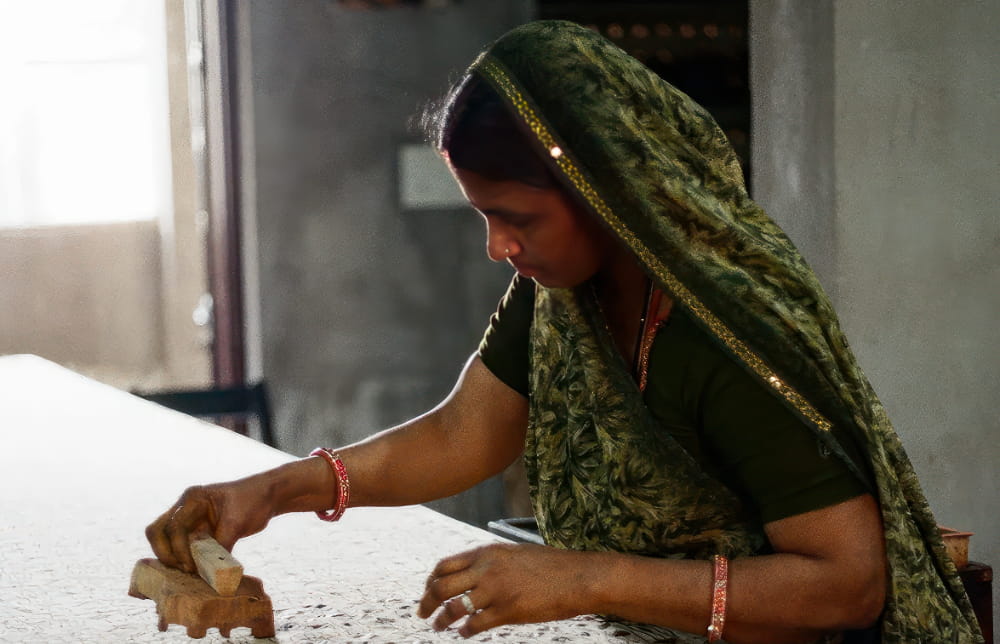
Vogue Business asks what “handmade” actually means, and whether the label still tells consumers anything, now that brands are reaching for craft language to stand apart in an AI-driven market. Janhavi Dave, Advisor at HomeNet International, explains that a garment made entirely by hand, from spinning to stitching, would be prohibitively expensive. Some machine involvement is reasonable, she says, but simply using your hands to operate a machine doesn’t make a product handmade. She also points to the people the term tends to obscure: home-based workers, 95% of them women, often separated from brands by as many as seven intermediaries.

By: Njambi Gaitho

As governments negotiate a new Convention on Decent Work in the Platform Economy, Kenyan platform workers are bringing the realities behind the apps to the global stage. Their call is simple: the workers powering our digital lives deserve dignity, protection, and fair treatment.

As governments negotiate a new Convention on Decent Work in the Platform Economy, Kenyan platform workers are bringing the realities behind the apps to the global stage. Their call is simple: the workers powering our digital lives deserve dignity, protection, and fair treatment.

By: Bashir Mbuthia

Kenyan platform worker organisations are calling for a new international labour convention to regulate working conditions in the digital economy, as governments, employers and workers meet in Geneva for the International Labour Conference (ILC).

Kenyan platform worker organisations are calling for a new international labour convention to regulate working conditions in the digital economy, as governments, employers and workers meet in Geneva for the International Labour Conference (ILC).

By: Laura Alfers

This May Day, armed conflicts, the climate crisis, the rise of authoritarianism, and democratic backsliding are deepening the crisis faced by workers without protections who sustain the global economy. Integrating these workers into formal productive systems is not only a matter of justice, but also of efficiency.

This May Day, armed conflicts, the climate crisis, the rise of authoritarianism, and democratic backsliding are deepening the crisis faced by workers without protections who sustain the global economy. Integrating these workers into formal productive systems is not only a matter of justice, but also of efficiency.

By: Edileuza Guimarães

Written by HomeNet International ExCo member Edileuza, this article highlights the work of the Parliamentary Front in Brazil and challenges the idea that the informal economy is marginal. It shows how informal workers are central to economic systems, while continuing to face a lack of recognition, rights, and protection.

Written by HomeNet International ExCo member Edileuza, this article highlights the work of the Parliamentary Front in Brazil and challenges the idea that the informal economy is marginal. It shows how informal workers are central to economic systems, while continuing to face a lack of recognition, rights, and protection.

By: Rede TVT

Leaders from organizations representing workers in the informal economy share their expectations and collective fight for recognition at an event that brought together workers and allies from more than 20 countries.

Leaders from organizations representing workers in the informal economy share their expectations and collective fight for recognition at an event that brought together workers and allies from more than 20 countries.

For media inquiries, please contact:

Laura Revelo

HNI Communications Officer