
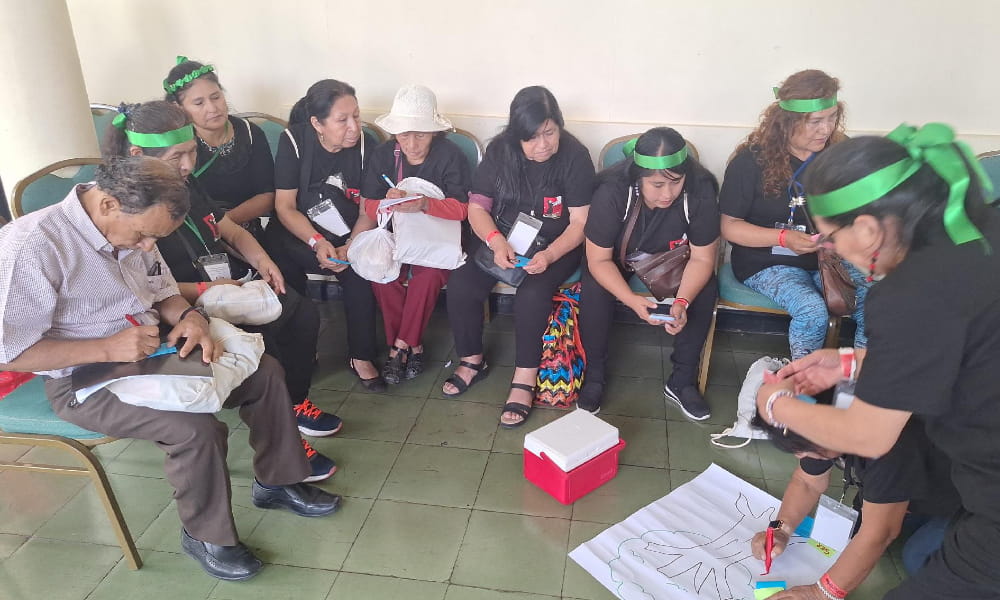
Courtesy of COTRADO ALAC
On Tuesday, June 16, the election of the Board of Directors of RENATTA, the National Network of Self-Employed Women and Men Workers of Peru, was held for the period that will assume leadership of the organization. The new board will serve from 2026 to 2030.
The event took place after a challenging year, both from an organizational and political standpoint, due to the changes that have occurred in the country. Far from facilitating the progress of organizations within the popular economy, these changes constitute a threat that, as in other Latin American countries, results in the loss of rights and the imposition of new barriers to their exercise.
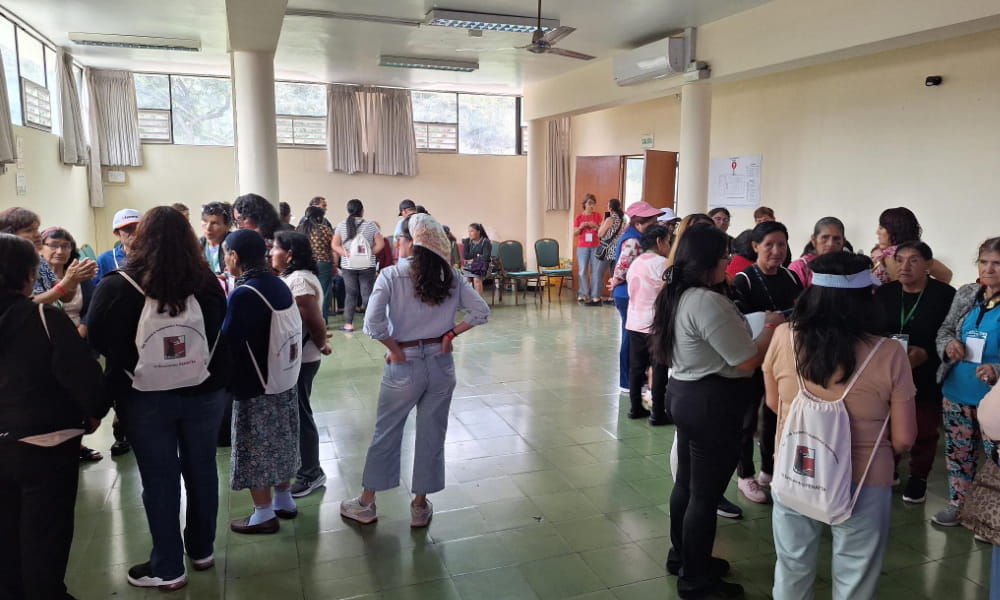
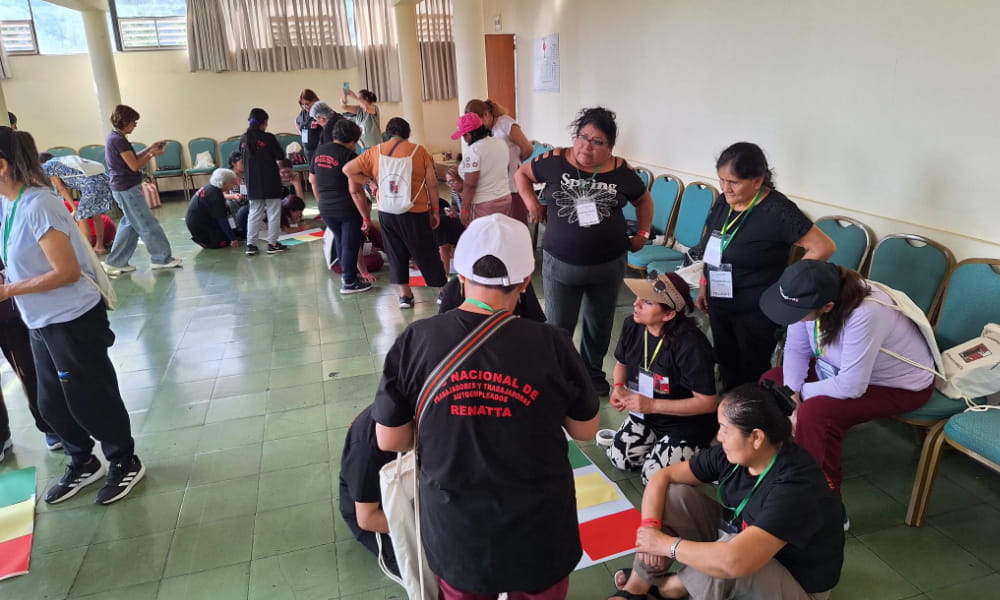
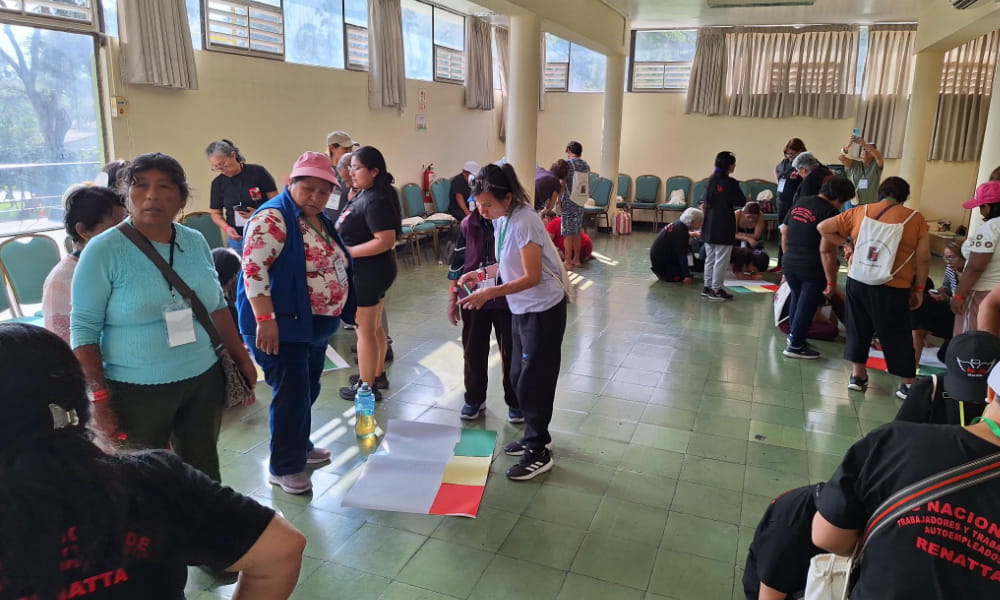
On this occasion, delegates from different provinces participated in the election of the new Board of Directors. In the vote, 11 people were elected to assume different roles and responsibilities within the organization, as well as to form part of the Ethics and Discipline Committee.
The new Board of Directors is composed as follows:
RENATTA Board of Directors (2026–2030)
| Position | Name |
| General Secretary | Gloria Solórzano Espinoza |
| Deputy Secretary | Gladys Sovero Niño |
| Organization Secretary | Gladys Torres Guillermo |
| Defense Secretary | Demetrio Huamaní Conde |
| Minutes Secretary | Marjory Lapa Carhuancho |
| Finance Secretary | Alcira Varillas Alejos |
| Gender and Youth Secretary | Alicia Páucar Vargas |
| Press and Propaganda Secretary | Ana Ramos Cortez |
| Welfare, Culture and Sports Secretary | Ninón Castillo Córdova |
| Foreign Affairs Secretary | Juana Torres Delgado |
| Migrant Labor and Interculturality Secretary | Rosa Tello Tirado |
The vote was conducted by a show of hands, with the participation of delegates from both the home-based work and street vending sectors.
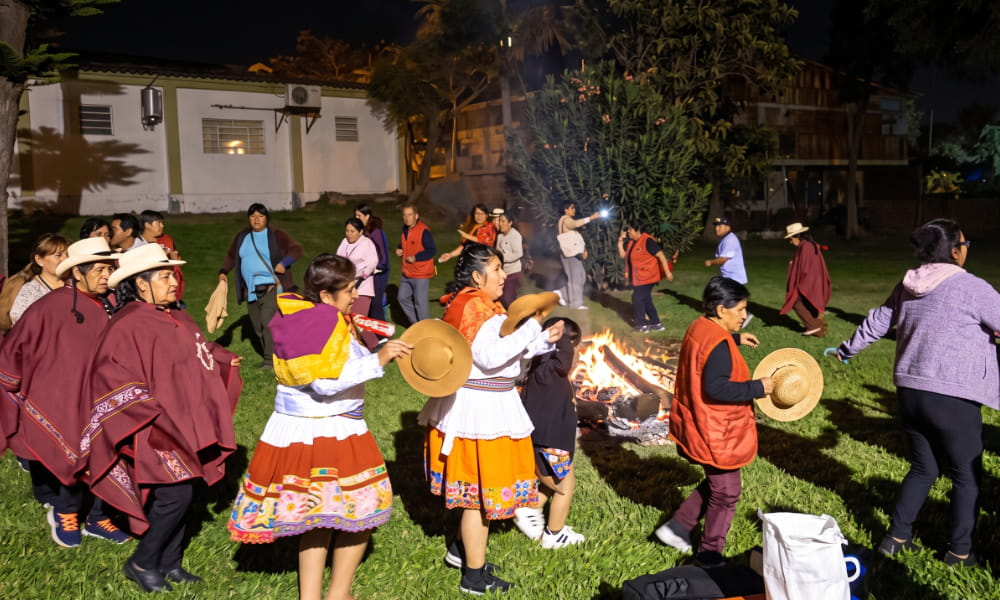
The event included spaces for discussion on the organization’s new challenges, as well as activities for integration and camaraderie.
This event is especially significant, as RENATTA brings together more than 2,000 workers engaged in home-based and street-vending work. Its influence in the country’s political life represents the interests of those who carry out their work on the margins of the formal economy and who fight for recognition and the guarantee of their fundamental rights.