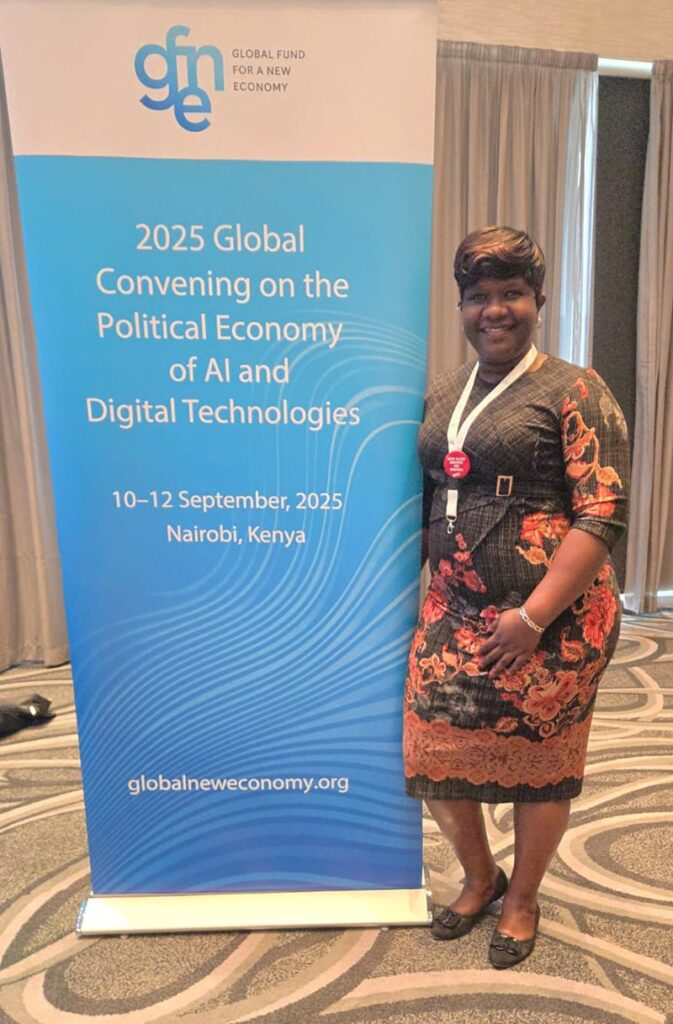


From September 10–12, 2025, Nairobi hosted the Global Convening on the Political Economy of AI and Digital Technologies, bringing together labor organizations and experts to explore AI’s impact on work, labor organizing, and economic justice. Discussions highlighted challenges such as concentrated power in Big Tech, exploitation of local labor and resources, weak regulatory frameworks, and the devaluation of human and creative work. Participants also noted the psychological and legal risks for digital workers, particularly in informal and gig economy roles.
The convening emphasized that AI’s trajectory is not predetermined. Key solutions identified include stronger regulation of tech markets, cross-sector alliances, legal reforms to protect workers, robust tax frameworks, and context-specific approaches that prioritize human-centered solutions over purely technological fixes.
For HNI, the event underscored the importance of organizing all workers—including digital platform and microtasking workers—whose supply chains and conditions mirror those of home-based workers. HNI Interim Coordinator Jemima Nyakongo represented the organization, bringing back insights to strengthen advocacy and expand support for workers navigating the changing digital economy.
This convening reaffirmed that while AI presents challenges, it also offers opportunities to shape a fairer, more inclusive future of work.