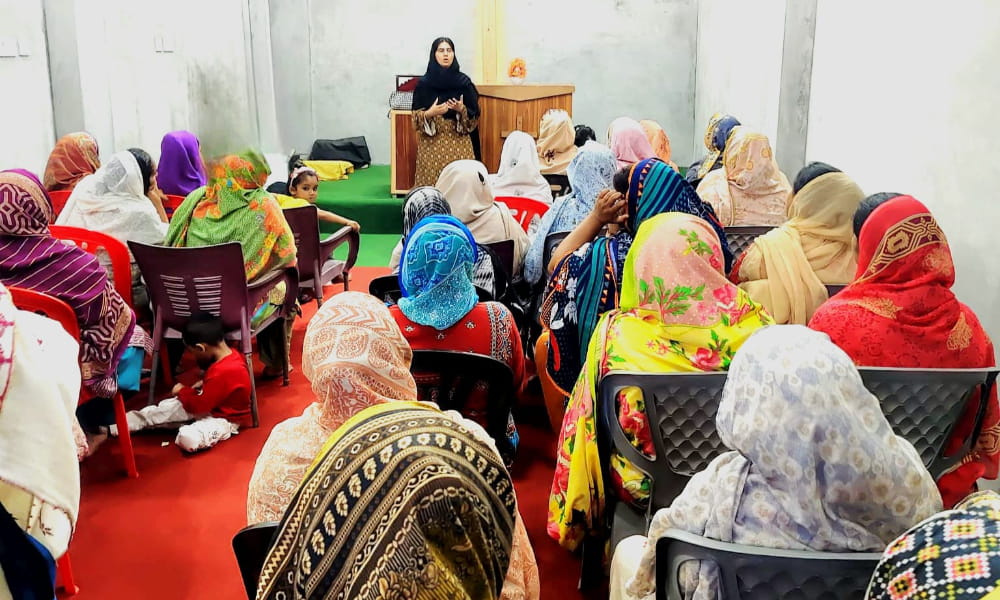

Courtesy of HomeNet South Asia
The fuel price surge and supply shortages witnessed during the middle-east conflict created far-reaching consequences across South Asia, affecting not only national economies but also the everyday lives of millions of informal workers. Among the affected were home-based workers (HBWs), whose livelihoods depend on affordable energy, stable supply chains, and consistent access to markets.
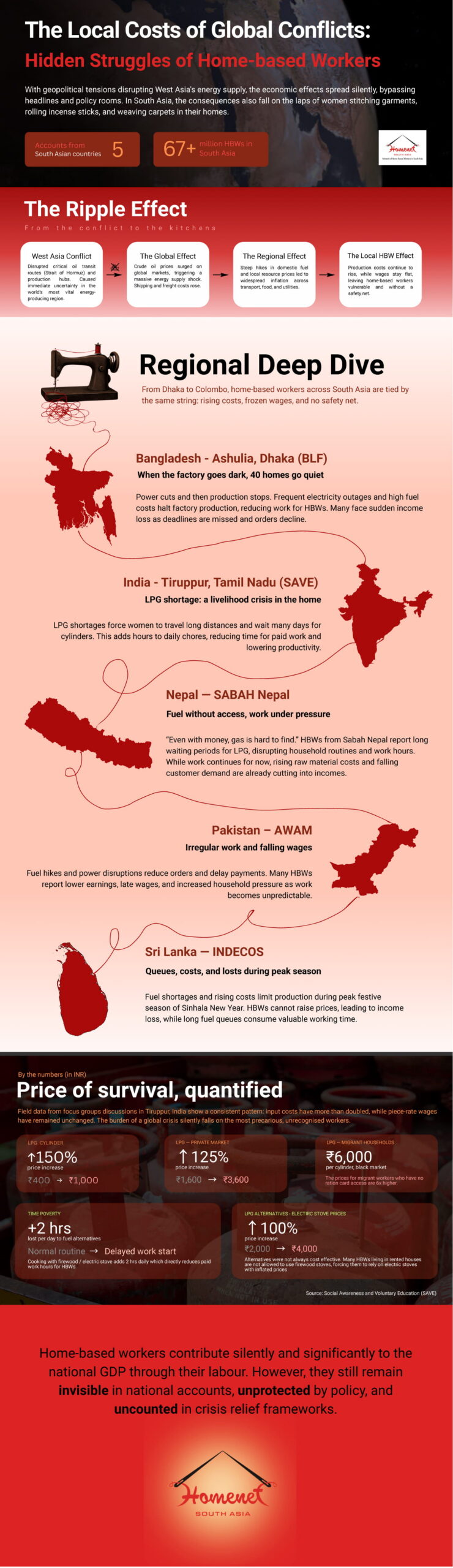
Across countries including Bangladesh, India, Nepal, Sri Lanka and Pakistan, rising fuel prices triggered a chain reaction of economic challenges. Increased transportation and production costs, shortages of LPG cylinders, power outages, and disruptions in supply systems placed immense pressure on workers who were already operating with limited financial security.
In Bangladesh (Bangladesh Labour Foundation), the crisis was particularly visible among small factories that subcontract work to home-based workers. Rising fuel prices and prolonged electricity outages disrupted production schedules and reduced the ability of factory owners to operate generators. As production slowed, fewer work opportunities were available for HBWs, leading to income losses and delayed wage payments. Small entrepreneurs struggled to meet delivery deadlines, while workers faced increasing difficulty in covering basic household expenses.
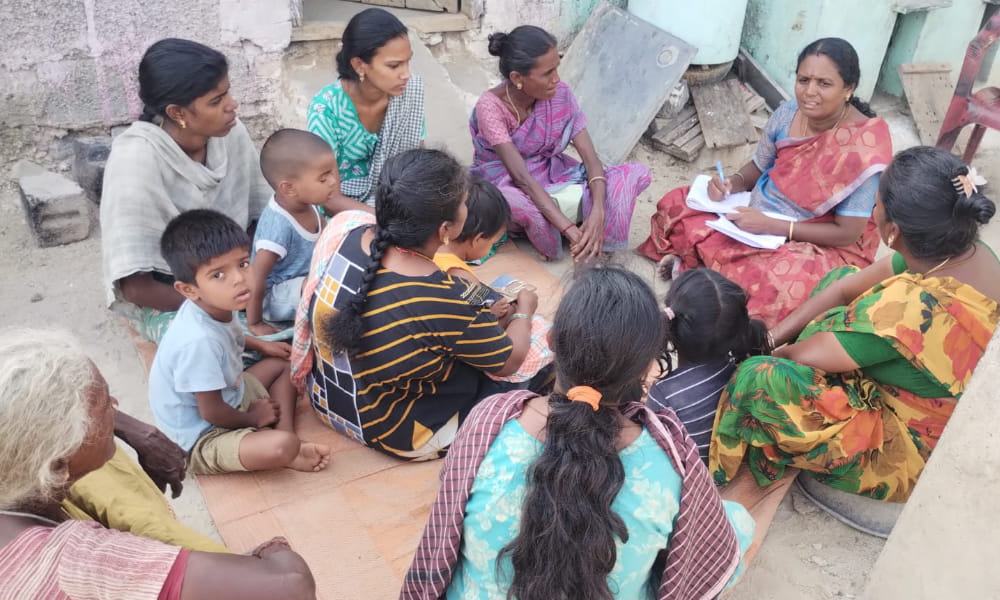
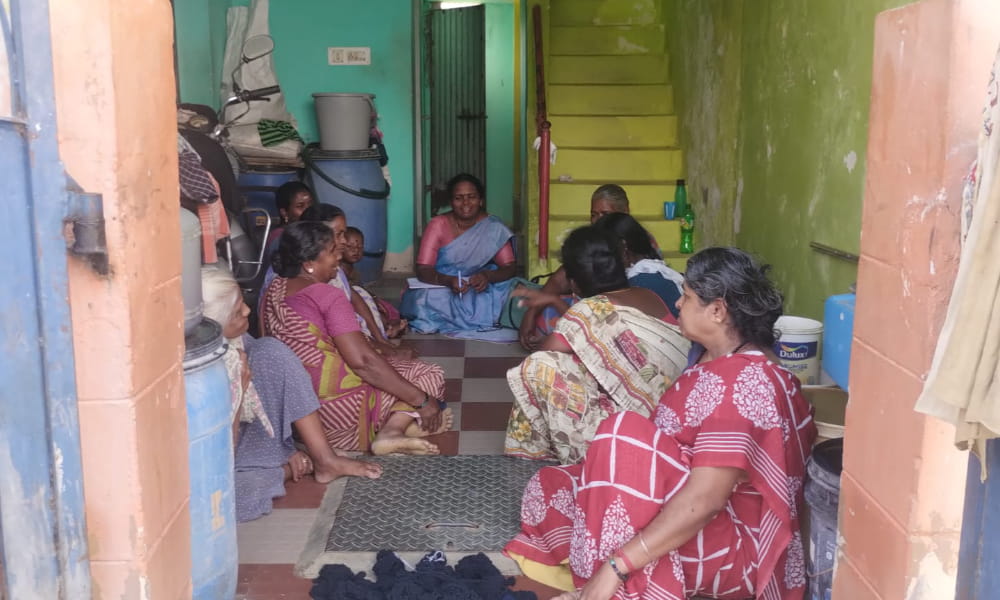
In Tiruppur, India, shortages of LPG cylinders created significant hardships for women home-based workers. Our affiliate Social Awareness and Voluntary Education (SAVE) conducted focus group discussions in their clusters to find the extent of how the HBWs were affected. Long waiting periods, difficulties in booking cylinders, and unreliable delivery systems forced households to rely on alternative cooking methods such as firewood, kerosene, and electric stoves. These alternatives often increased expenses, consumed more time, and posed health risks. Many families reported skipping meals, reducing food consumption, or borrowing money to manage daily needs. The crisis also increased the unpaid care burden on women, reducing the time available for income-generating work.
In Nepal (SABAH Nepal), HBWs reported that shortages of cooking gas became one of the most immediate challenges. Long waits for gas cylinders disrupted household routines and affected workers’ ability to balance domestic responsibilities with production activities. At the same time, rising prices of raw materials and declining customer demand created uncertainty about future earnings. Although many workers continued to operate, concerns about worsening costs and shrinking incomes grew steadily.
Pakistan faced similar challenges. Association of Women for Awareness and Motivation (AWAM) reported that home-based workers experienced rising living costs, increased production expenses, and growing difficulties in maintaining stable livelihoods. The fuel crisis not only affected business activities but also placed additional pressure on household budgets, making it harder for families to meet basic needs.
For Sri Lanka (Institute for Development of Community Strengths – INDECOS), the fuel crisis came during the peak Sinhala New Year season, which is normally the most profitable period for home-based workers. Rising fuel prices, gas shortages, and higher electricity costs increased production expenses and forced many workers to reduce output. Long queues for fuel and difficulties accessing energy supplies further disrupted livelihoods.
A common pattern emerged across the region. Energy insecurity translated directly into livelihood insecurity. Workers spent more time obtaining fuel, managing power interruptions, or adapting to alternative cooking methods. Productivity declined, household expenses increased, and many families accumulated debt..
The crisis also highlighted structural vulnerabilities within the informal economy. Many HBWs lacked access to social protection measures, emergency support, or targeted government assistance. As a result, fluctuations in fuel prices had an immediate and severe impact on their livelihoods.
The experiences of home-based workers during the fuel crisis demonstrate how global events can have profound local consequences. While fuel prices and supply disruptions may originate from international conflicts, their effects are often felt most acutely by workers operating in the informal economy.