
Courtesy of HomeNet South Asia
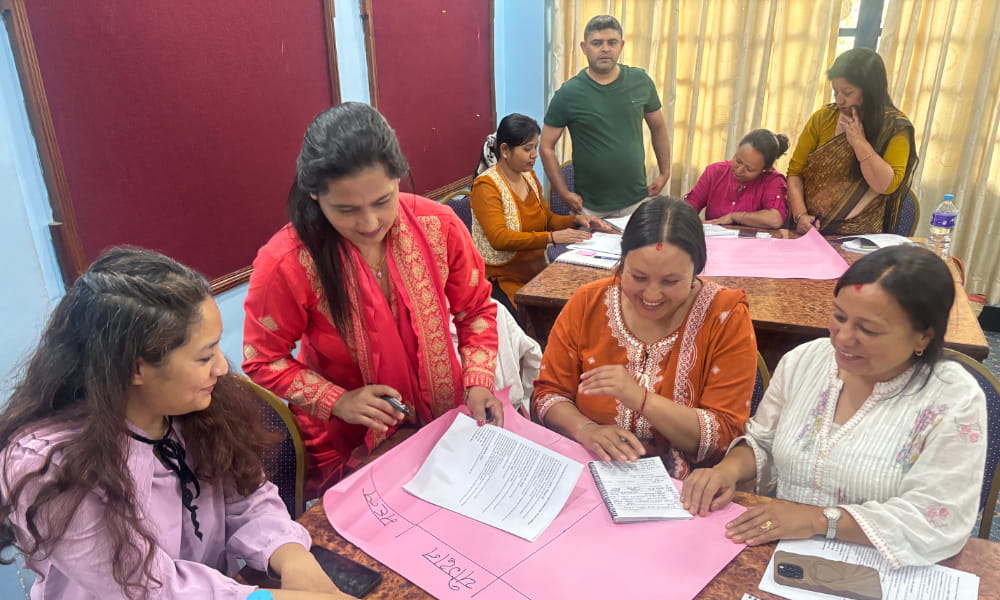
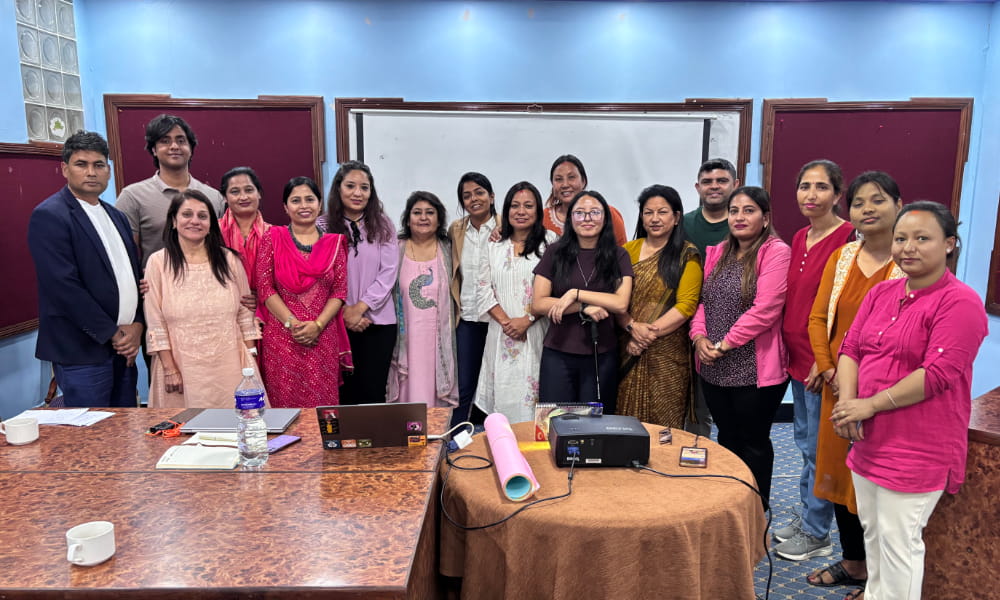
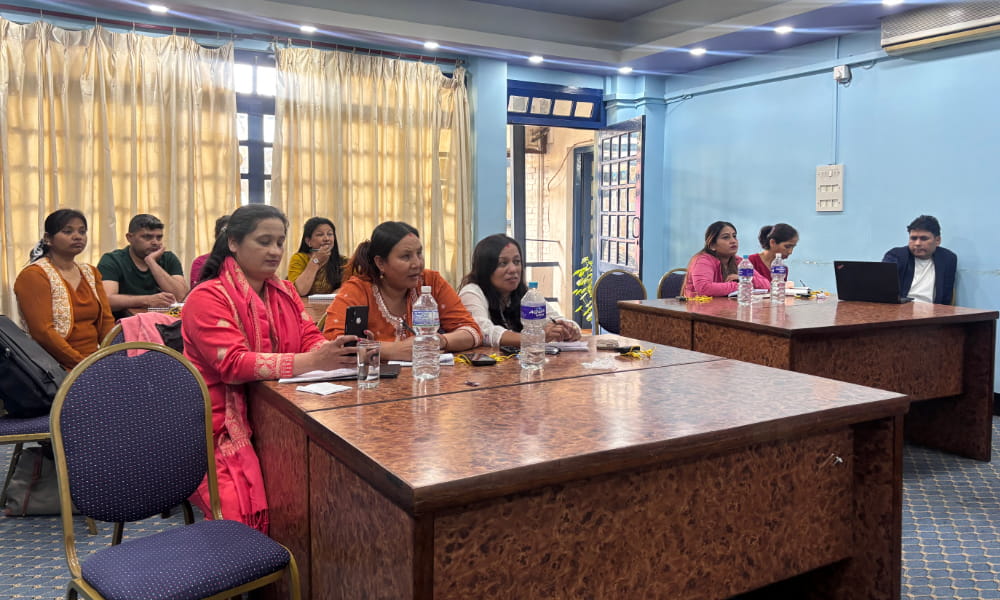
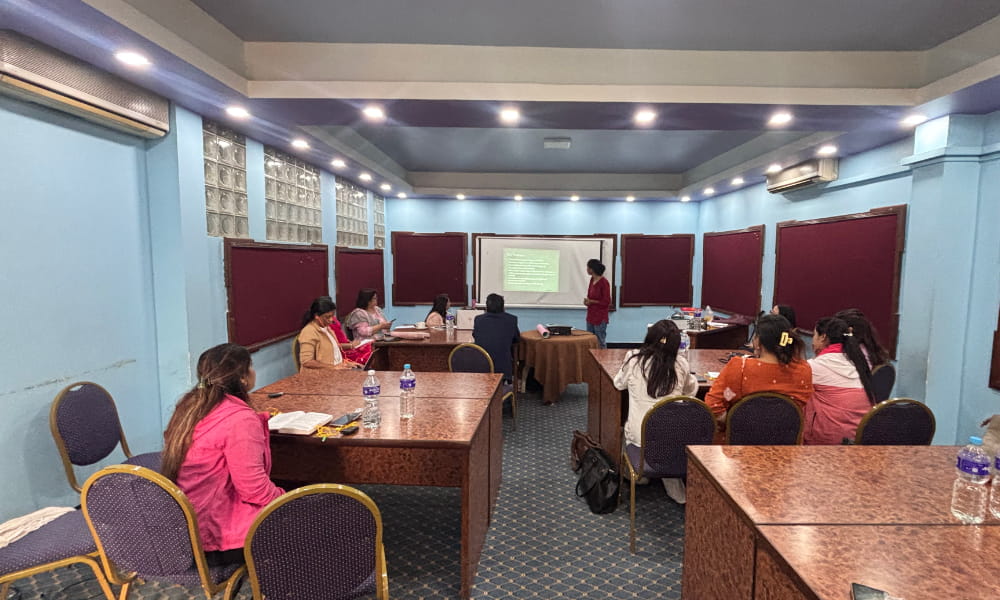
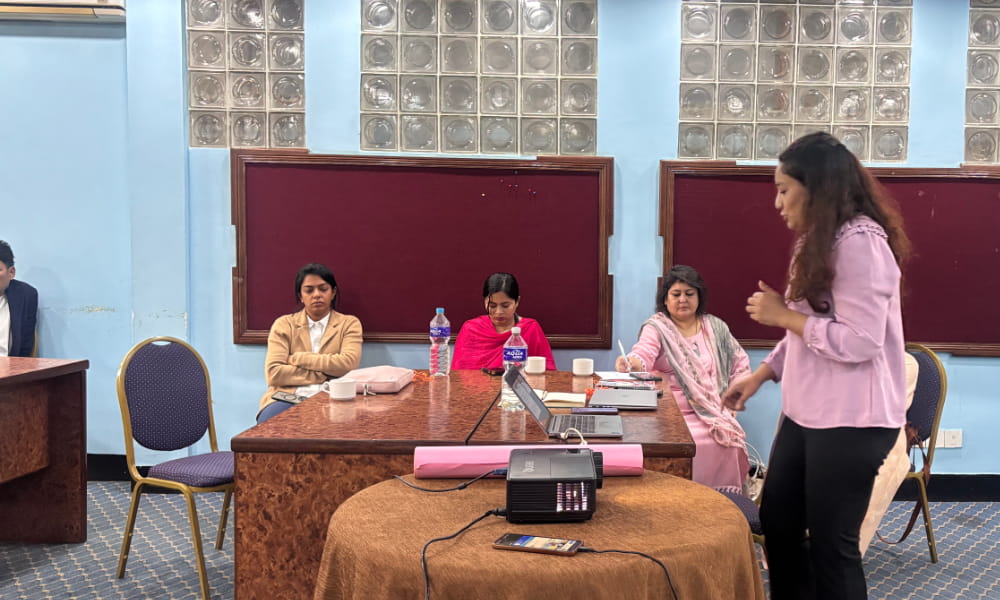
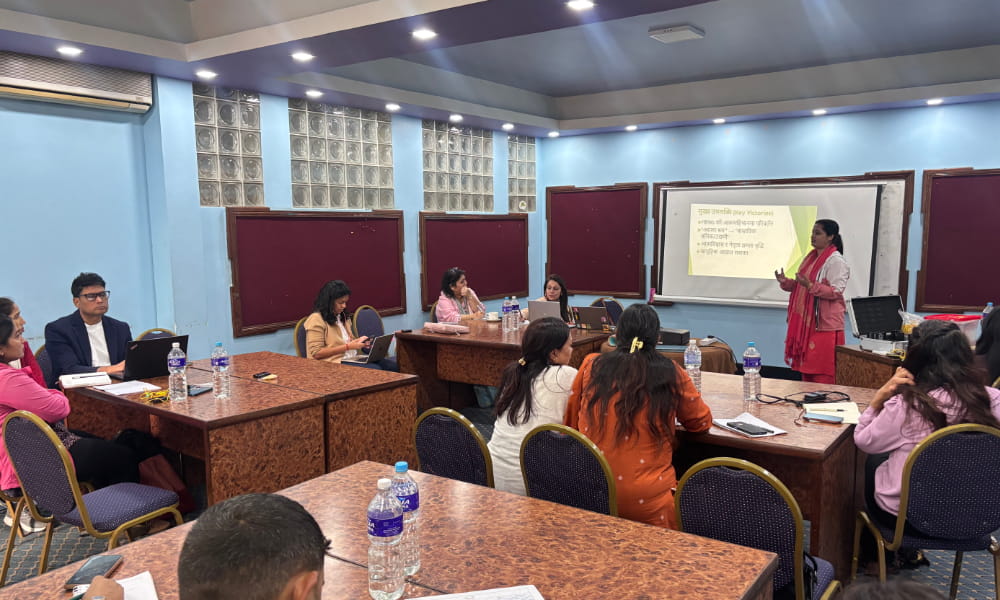
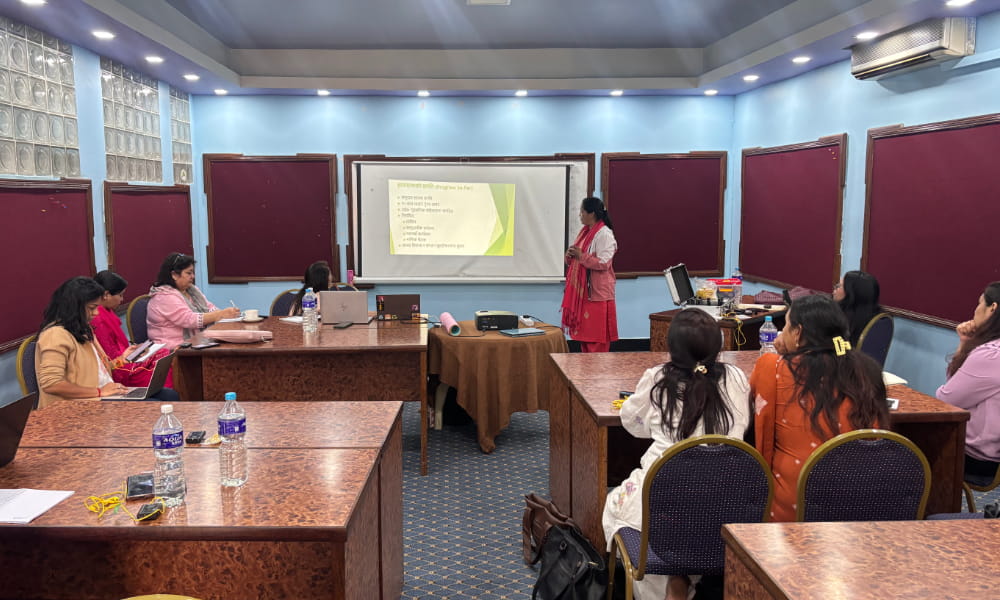
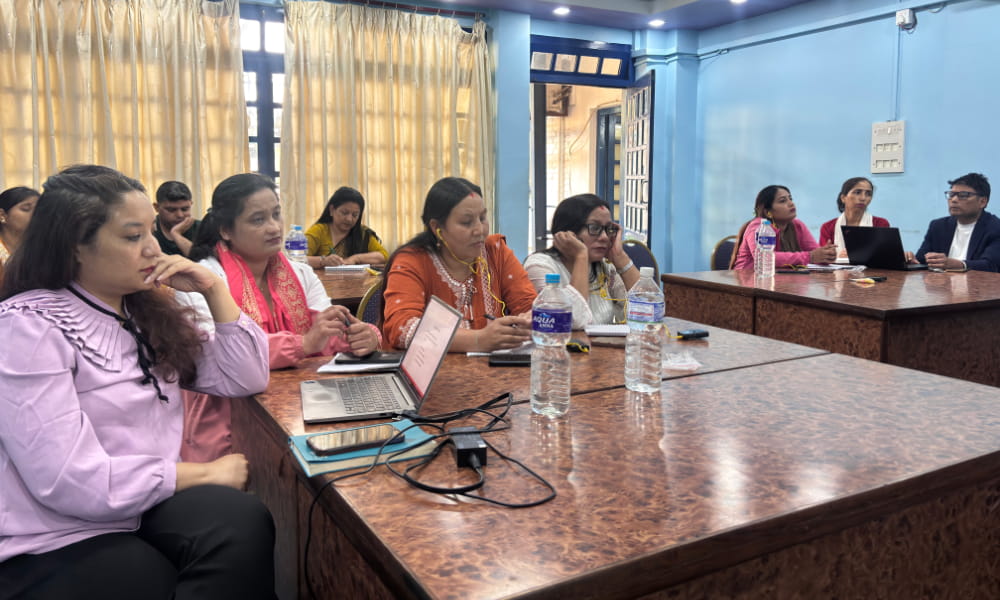
HomeNet South Asia (HNSA), together with its affiliate organizations SAATHI, SABAH Nepal, and Women for Human Rights (WHR), convened a learning and outcome-harvesting workshop on 23 April 2026 under the Violence Against Women (VAW) Project. The workshop brought together partners, trainers, and community leaders to reflect on project achievements, discuss ongoing challenges, and strengthen their capacity to document meaningful change.
Participants highlighted the barriers that continue to place women home-based workers (HBWs) at risk of violence, including restrictive gender norms, family resistance, limited mobility, economic dependence, and unequal decision-making power. While awareness of these issues is increasing, support systems remain limited, particularly in addressing digital violence and ensuring access to protection and justice for vulnerable women, including single women.
Despite these challenges, the project has contributed to positive changes within communities. Trainers and partner organizations reported that women are becoming more aware of their rights, more confident in speaking about violence, and increasingly involved in leadership and community decision-making. Communities are also showing greater recognition of the economic and social contributions of HBWs, helping to improve their visibility and acceptance.
The workshop also highlighted stronger collaboration with local governments and institutions. Municipalities, ward offices, health facilities, and civil society organizations have become more engaged in project activities and are showing greater interest in addressing HBW concerns through local plans and policies.
Participants identified engaging men and boys as an effective strategy for challenging harmful gender norms and building support for women’s rights within households and communities. Economic empowerment was also recognized as critical, as financial independence can reduce women’s vulnerability to violence and strengthen their ability to make decisions about their lives.
While challenges remain, participants agreed that the project is making meaningful progress in empowering women home-based workers, strengthening community support systems, and advancing efforts toward a violence-free world of work across South Asia.