
Courtesy of HomeNet South Asia
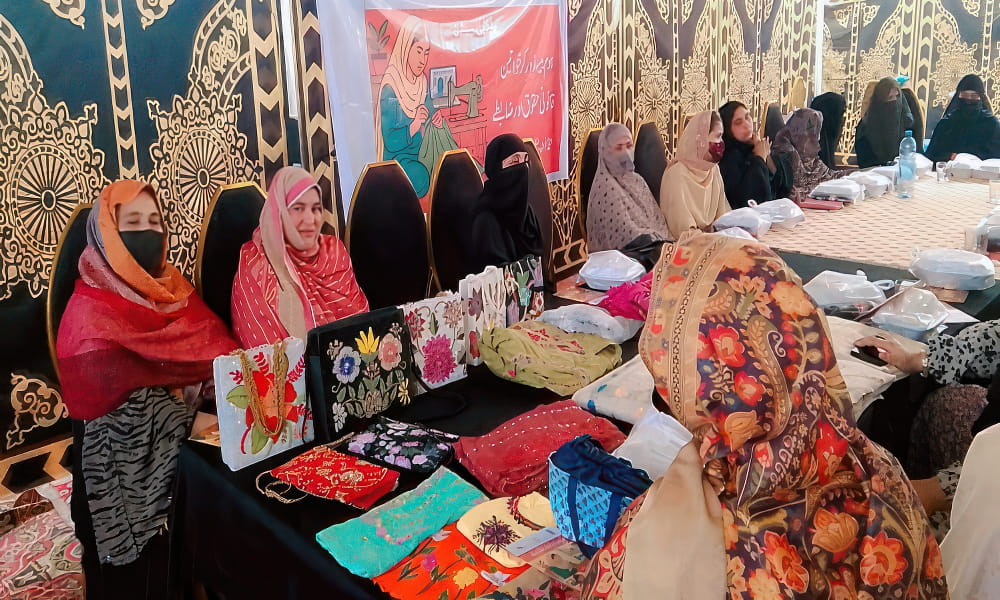
For decades, millions of home-based workers in Pakistan, mostly women, operated in the shadows of the informal economy. They stitched, crafted, and supported local supply chains from their homes, yet remained entirely invisible to formal labour systems. Without written contracts or legal protections, they were subjected to low piece-rate wages and had zero access to social security or basic workplace rights.
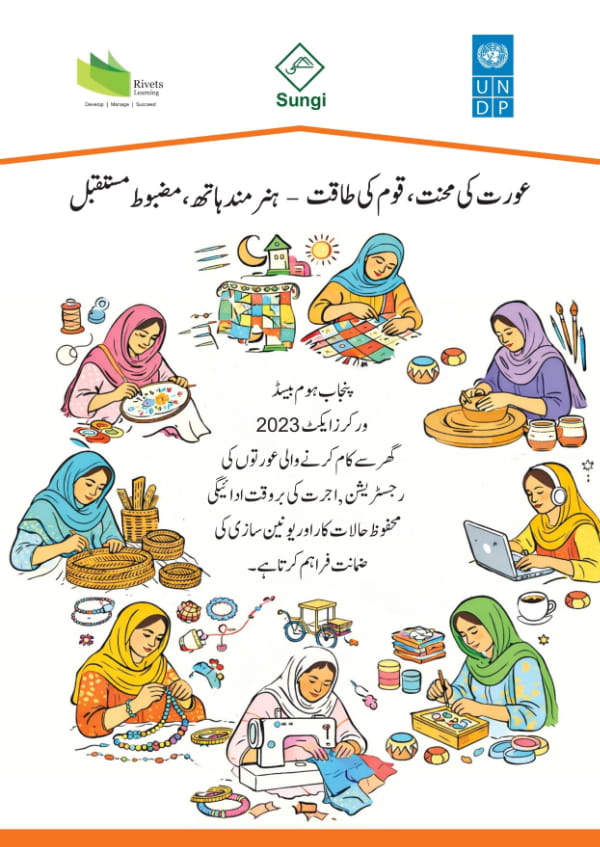
A historic shift occurred with the enactment of the Punjab Home-Based Workers Act 2023, which finally recognized home-based work as a type of formal employment. However, a critical gap remained: because the law was published only in English, there was a disconnect with the grassroots workers who were unable to read or understand it.
Bridging the Gap in Multan
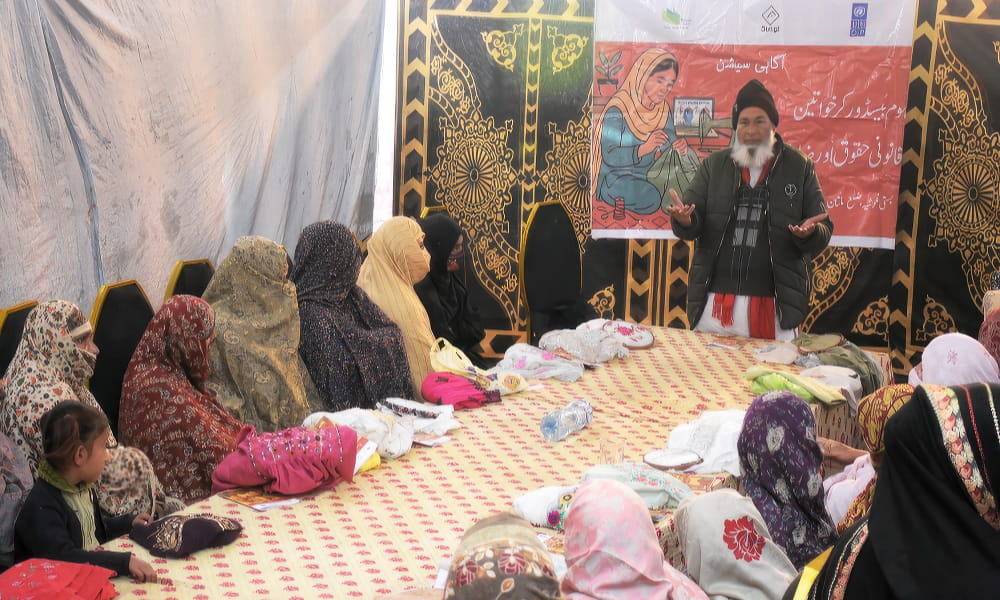
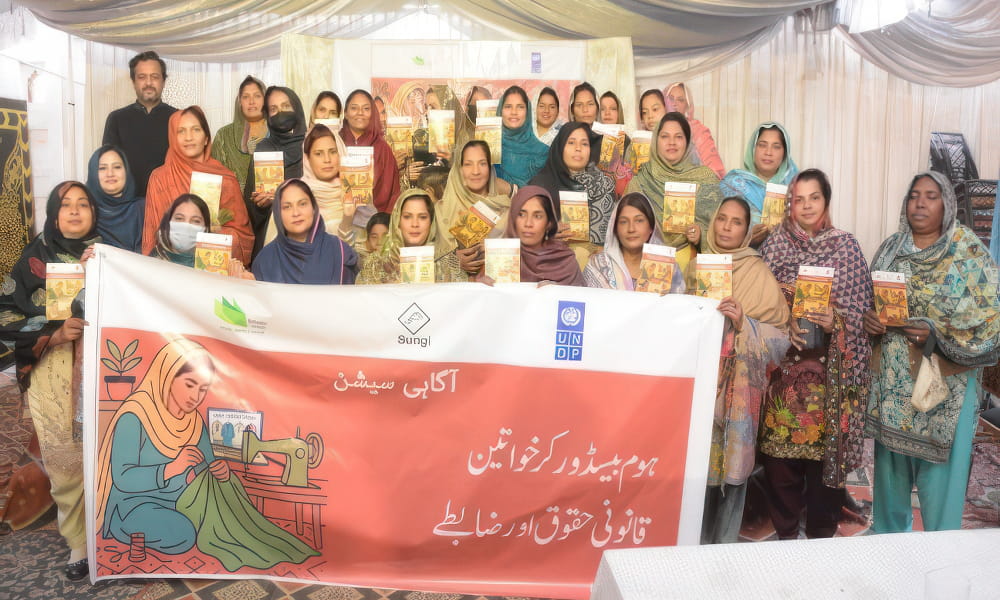
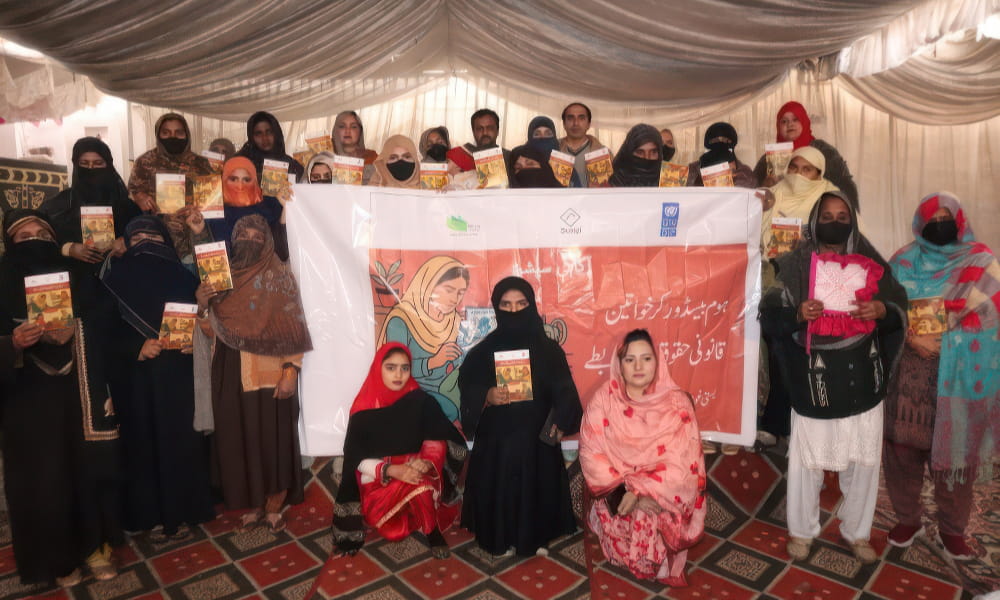
To turn this policy into practical empowerment, the Sungi Development Foundation (an affiliate of HomeNet South Asia) launched a targeted legal literacy initiative in Multan.
- Sungi’s Four-Step Empowerment Model
- Simplify and translate the law into Urdu and Saraiki
- Educate workers on registration, minimum wages, and entitlements
- Organize individuals into unions for collective bargaining power
- Link communities directly to state social security institutions
By translating the law into local languages and using visual guides, Sungi demystified complex registration procedures. Workers learned how to register with the Punjab Labour Department using their CNIC and how to unlock vital medical and educational benefits through the Punjab Employees Social Security Institution (PESSI).
The true success of the initiative was psychological and structural. Participants experienced a profound shift in identity, moving from seeing themselves as only household “helpers” to recognizing themselves as rights-holding home-based workers. As one participant from Ghosia Colony shared, “I always thought my stitching was just helping the family. Now I know it is real work and I have rights because of it.”
Despite these breakthroughs, major systemic challenges remain. Workers still battle wage exploitation by contractors, complex bureaucratic delays, and deeply rooted gender norms that restrict women’s financial autonomy.
This intervention proves that legislation alone is never enough; the law needs to be understood and accessible to those who it means to protect. True progress begins when a worker realizes that their labour has value, their voice has power, and the law is finally on their side.