
113th Session of the International Labour Conference

HomeNet International participated with a delegation of home-based worker leaders and representatives at the 113th Sessions of the International Labour Conference (ILC), which took place from June 2-13, 2025. During this two-week session, a general discussion addressed innovative approaches to tackling informality and promoting transitions toward formality to advance decent work. Additionally, there was a second discussion on protection against biological hazards in the workplace and a first discussion on decent work in the platform economy.

HomeNet International, along with delegations from our sister organizations—the Global Alliance of Waste Pickers, the International Domestic Workers Federation (IDWF), StreetNet International, and WIEGO—advocated for the rights of informal economy workers worldwide. We sought to ensure that decent work became a reality for everyone and to strongly promote the recognition of informal economy workers as workers.

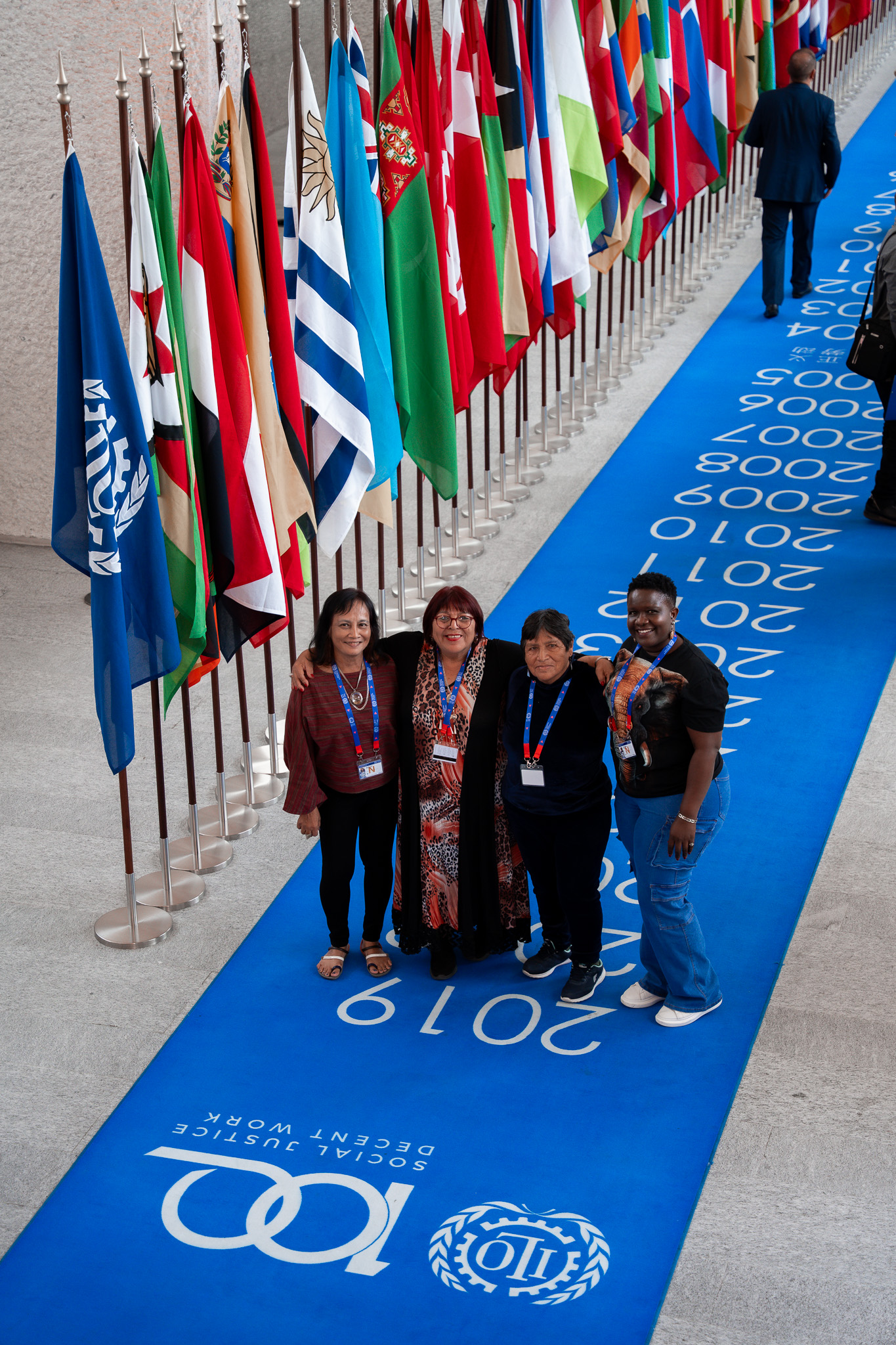
HomeNet International Delegation at ILC

Almabubu Zharkynbaeva, is currently the Deputy Chairman of the Trade Union of Workers of Light Industry, Allied Industries and Services of the Kyrgyz Republic. The union represents over 8,000 members, including garment workers, textile workers, home workers, craftsmen, and others. She oversees labor protection issues within the industry. Almabubu holds a degree as an engineer-technologist in knitwear production and has higher technical education. She has over 45 years of work experience.
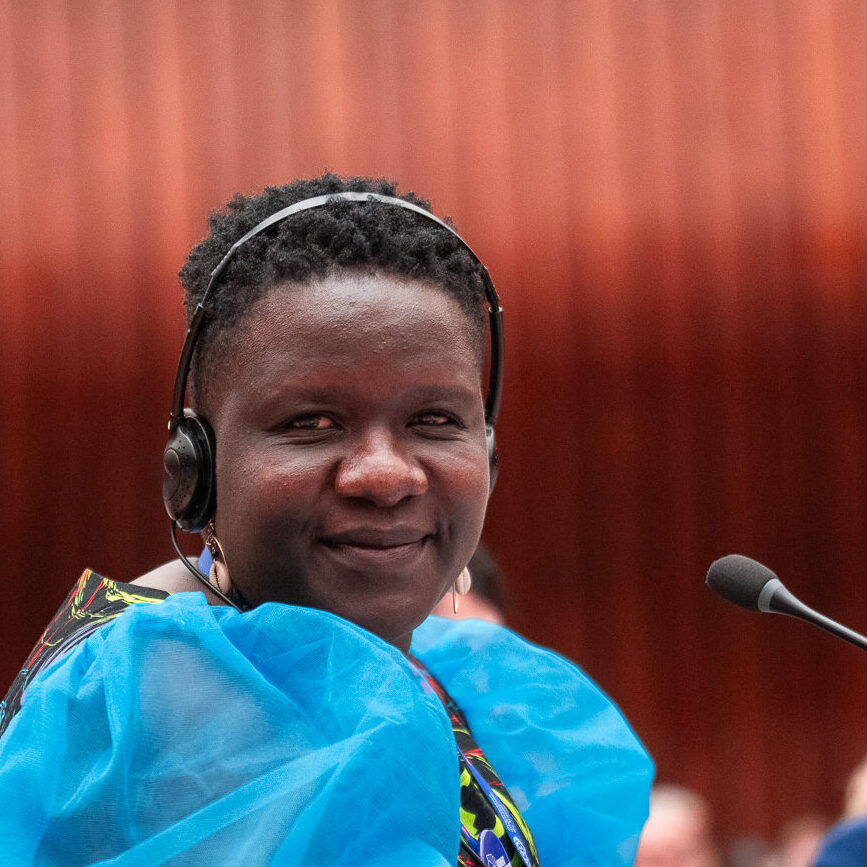
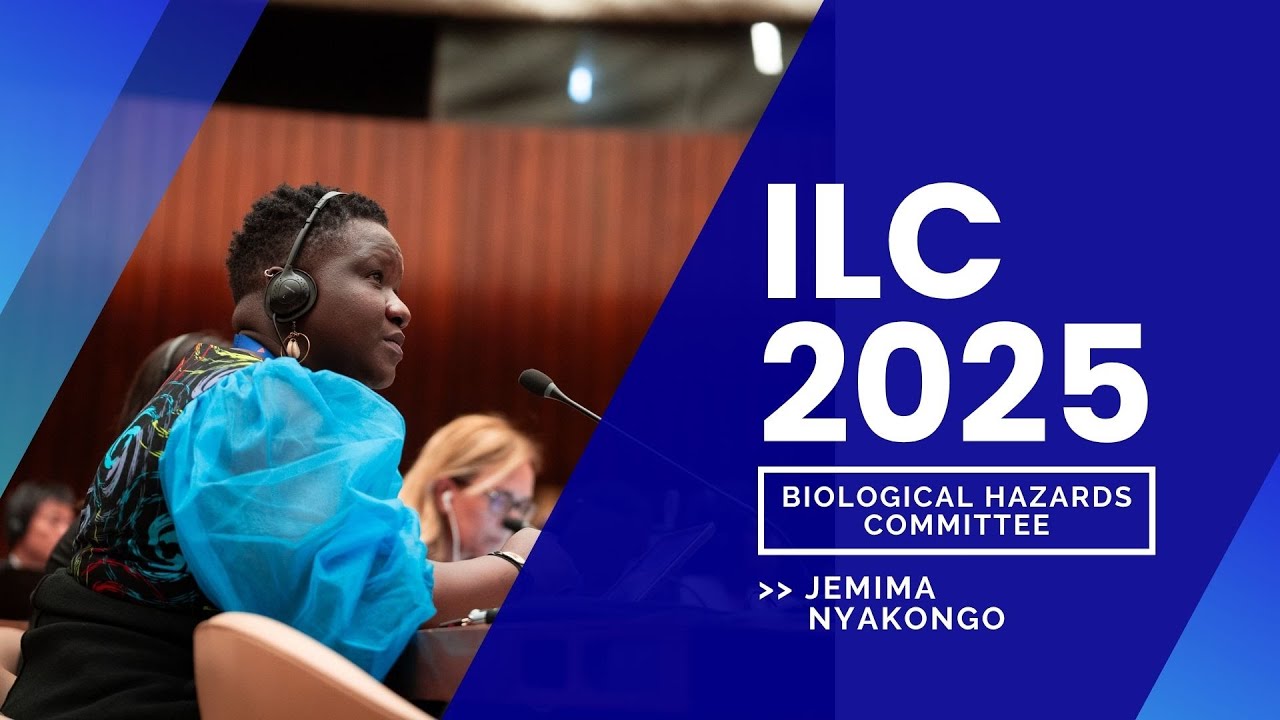
Jemima Nyakongo is a home-based worker with extensive experience in mobilizing and organizing women in the community. Jemima's journey began as a basket weaver in Kenya, and she has since been a tireless advocate for home-based workers. Currently serving as the Organizing Secretary for the Rachuonyo Women Group and Chairperson of HomeNet Kenya, she was also elected Treasurer of HNI at our physical Congress in April 2023. As of May, 2025, the HNI Executive Committee has appointed Jemima the role of Interim Coordinator of HNI.
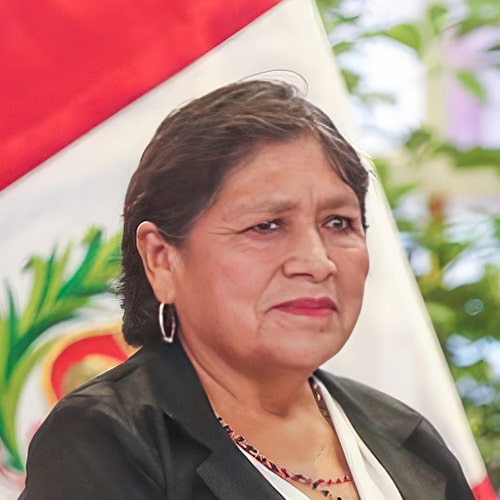
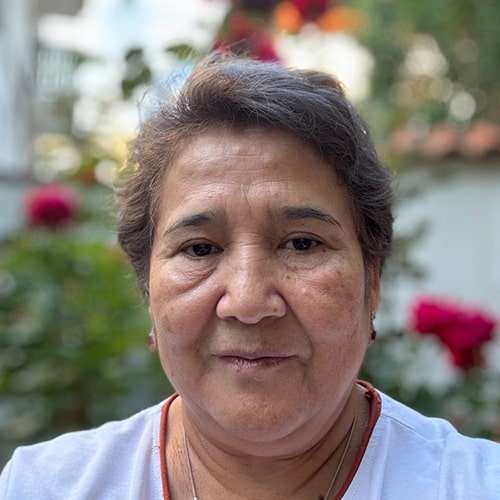
Gloria Solórzano is co-founder and Organizing Secretary of the Red Nacional de Trabajadores y Trabajadoras Autónomos (RENATTA) of Peru, which represents home-based workers, as well as other workers in the informal economy. She has also represented informal economy workers' organizations at the ILO International Labor Conferences in Geneva in 2014 and 2015, which focused on the transition from the informal to the formal economy.

Manali Shah is the Vice-President of HomeNet International's Executive Committee and the National Secretary of SEWA (Self-Employed Women's Association) in India. With over 31 years of experience working with SEWA, Manali has been a relentless advocate for the rights of informal economy women workers. Her commitment and expertise have made her a valuable asset in promoting the interests of home-based workers in India and beyond.
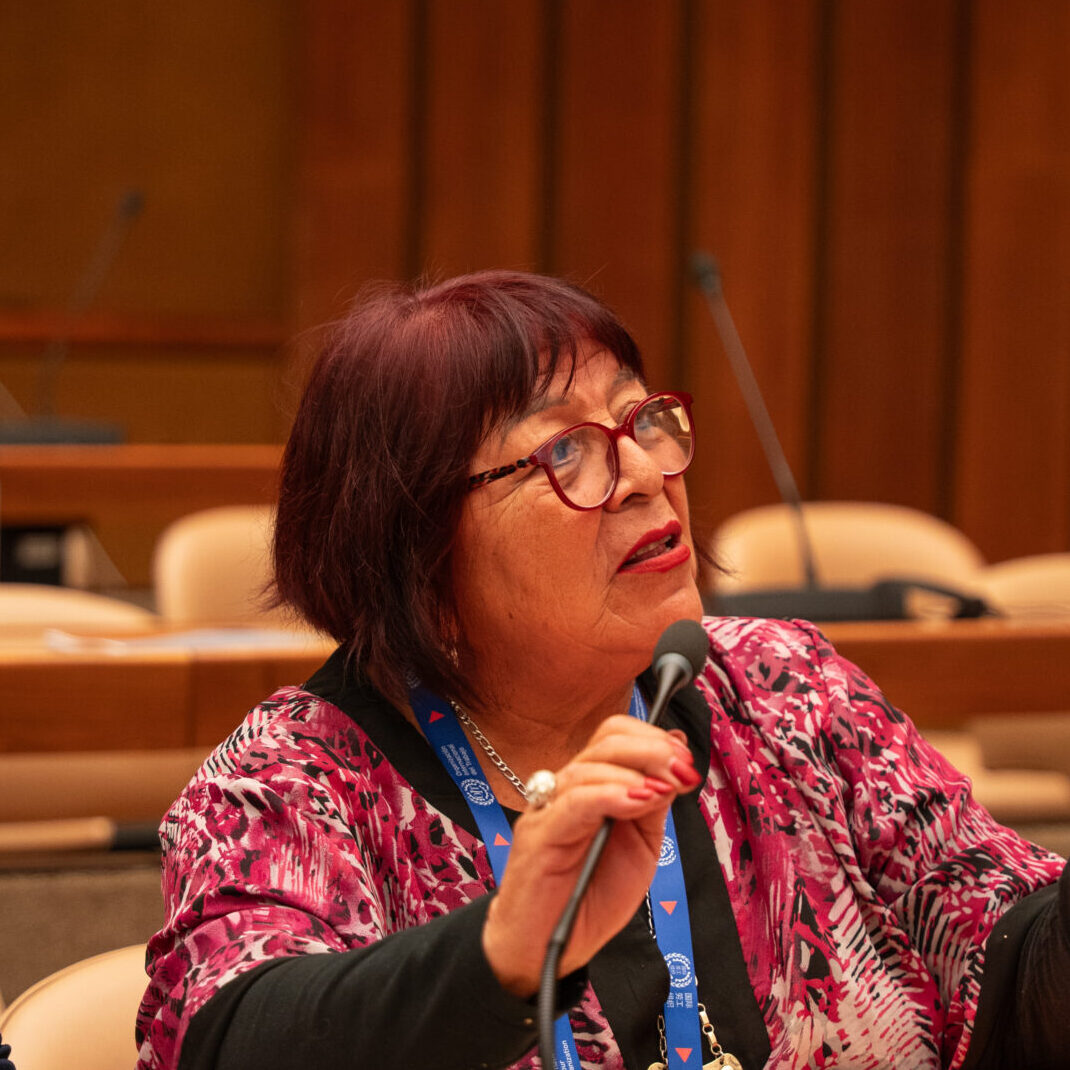
Patricia Coñoman is a leader of the Coordinadora Nacional de Trabajadores en Domicilio (CONATRADO) of Chile and a member of the regional organization COTRADO ALAC. She was president of the CONTEXTIL union for 40 years (1975-2015) and was part of the board of the Central Unitaria de Trabajadores (CUT) from 1988 to 2017. In addition, she served as Councilwoman of the commune of El Bosque in Chile from 2021 to 2025.
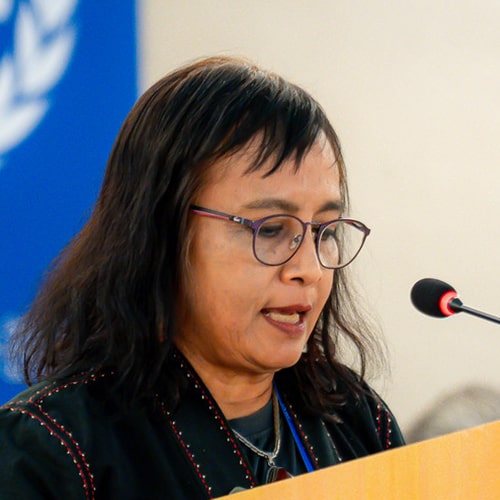
Suntaree Saeng-ging started working with informal workers, including home-based workers, more than 30 years ago during the establishment of HomeNet Thailand, where she is currently a board member. She is also the executive director of HomeNet South East A and ex-officio member of HomeNet International’s Executive Committee.
The joint statement, signed by HomeNet International, the International Alliance of Waste Pickers (IAWP), the International Domestic Workers Federation (IDWF), StreetNet International, the Unión de Trabajadores y Trabajadoras de la Economía Popular (UTEP), and WIEGO, highlights the lived realities of the over 2 billion people engaged in informal employment globally and reinforces the urgent need to implement ILO Recommendation 204 to ensure inclusive, rights-based pathways to formalization for all workers, regardless of employment status.

Read the full statement to understand our collective demands and vision for decent work.

English, Spanish

HomeNet International's Key Interventions

General Discussion Committee on Promoting Transitions Towards Formality

Suntaree Saeng-ging, representing HNI, delivered a statement at the opening session:

Her statement urged the Tripartite at ILC to consider the following pathways to formalization:
  1. Ratification of ILO Convention 177
  2. National policies should lead to sector-specific laws and regulations promoting decent work
  3. Access to Social Protection
  4. Support for organizations with the Social and Solidarity Economy

Intervention by Manali Shah, HNI Vice President and SEWA:

“I want to draw attention to a critical group that is often overlooked: own-account workers. Around 50% of informal workers fall into this category—including waste recyclers, street vendors, and small and marginal farmers—all of whom make significant contributions to the economy.
The current document refers to productivity in the informal economy. But my question is: how do we improve productivity for own-account workers? The answer lies in recognition and protection:
  • If street vendors are formally integrated into public space planning, their productivity increases.
  • If waste recyclers are recognized by city councils, their collected materials won’t be confiscated, and they gain income security.
  • If own-account workers access social protection, they can work with greater stability, improving both their income and contribution.
We must ensure that this vast category of self-employed workers is clearly reflected in our strategies, policies, and discussions moving forward.”

Intervention by Patricia Coñoman, former HNI Working Committee member and Coordinator of CONATRADO Chile:

“Gender issues must be at the center of all discussions on informal work. Too often, it’s seen as “normal” for women to work from home—unpaid, unrecognized, and invisible. But these women are workers. And they must be seen.

We need to fight for decent wages, rights, and social protection for home-based workers. But how do we get there?

It starts with recognition—recognizing informal work as real work, and recognizing women in the informal economy as workers with the same rights as others.

Legal recognition of informal work in our countries is essential if we are serious about building inclusive and fair labor systems.
Only then can we move towards true gender justice and decent work for all.”

Intervention by Gloria Solorzano, representing HNI and RENATTA Perú.

“I would like to speak from our own experience—our grassroots initiatives—when it comes to building pathways toward formalization and decent work.

Through collective and individual savings, we managed to purchase land where we could establish a space, a market, to sell our products and carry out our work with dignity. This has not only given us stability, but it has also created a possibility: to contribute to our own social protection systems.

However, while we are trying to build something sustainable, authorities continue to harass us, confiscate our goods, and evict us. Under these conditions, we are unable to save, let alone contribute to the development of our countries.

This is exactly why we insist: formalization must be supported by governments. It cannot be left to informal workers alone.

We need public policies and legal frameworks that support and protect our saving initiatives—so that we can not only continue to work with dignity, but also move closer to achieving decent work in our daily lives.”

Standard- Setting Committee on Decent Work in the Platform Economy

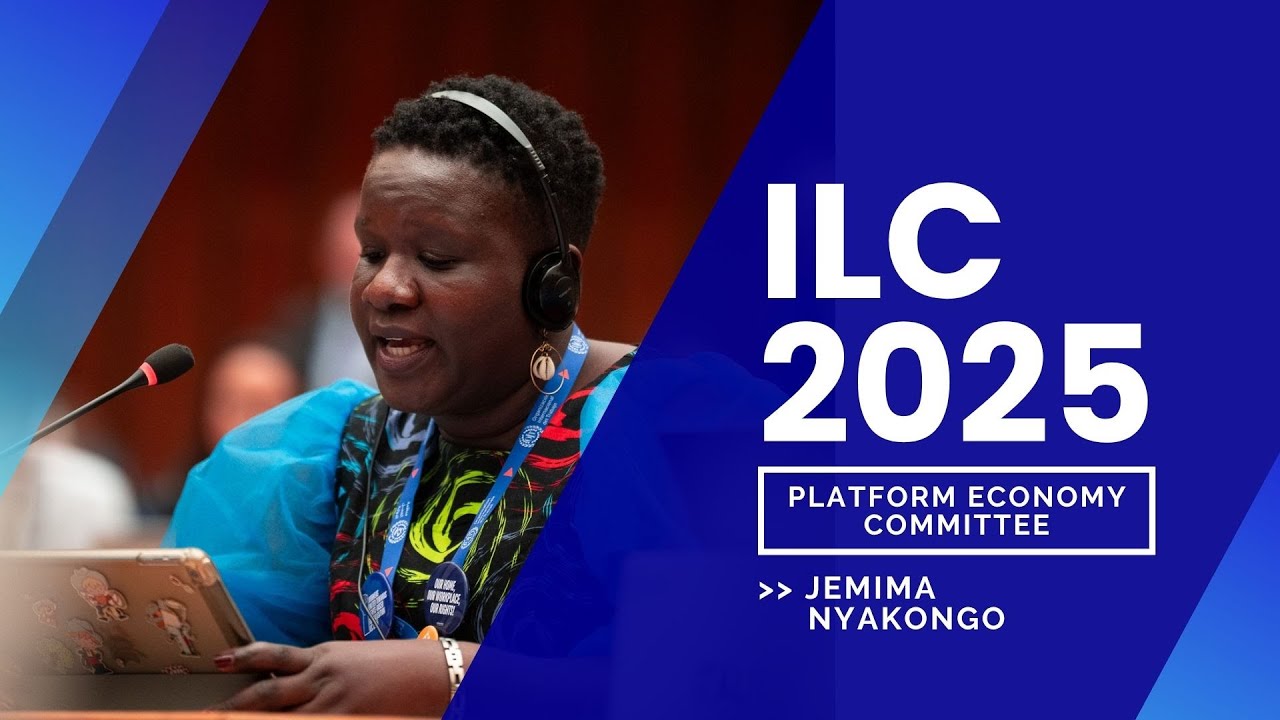
Jemima Nyakongo, HNI’s Interim Coordinator, delivered a statement at the opening session:

She stressed that while these platforms provide avenues to sell their products, they also put them in vulnerable situations, where orders are cancelled, leading to financial loss and stock piling. Additionally, she urged the Committee that all workers in the platform economy, including own account home-based workers, be recognized as workers and protected by law.

Standard-Setting Committee on Biological Hazards

Jemima Nyakongo, HNI’s Interim Coordinator, also delivered a statement at the opening session of the Standard-Setting Committee on Biological Hazards:

In her address, she advocated for a comprehensive convention on Biological Hazards that expands worker protections to include all categories of workers, workplaces, and the impacts of climate change, which disproportionately affect informal economy workers, including home-based workers.

Plenary Sitting

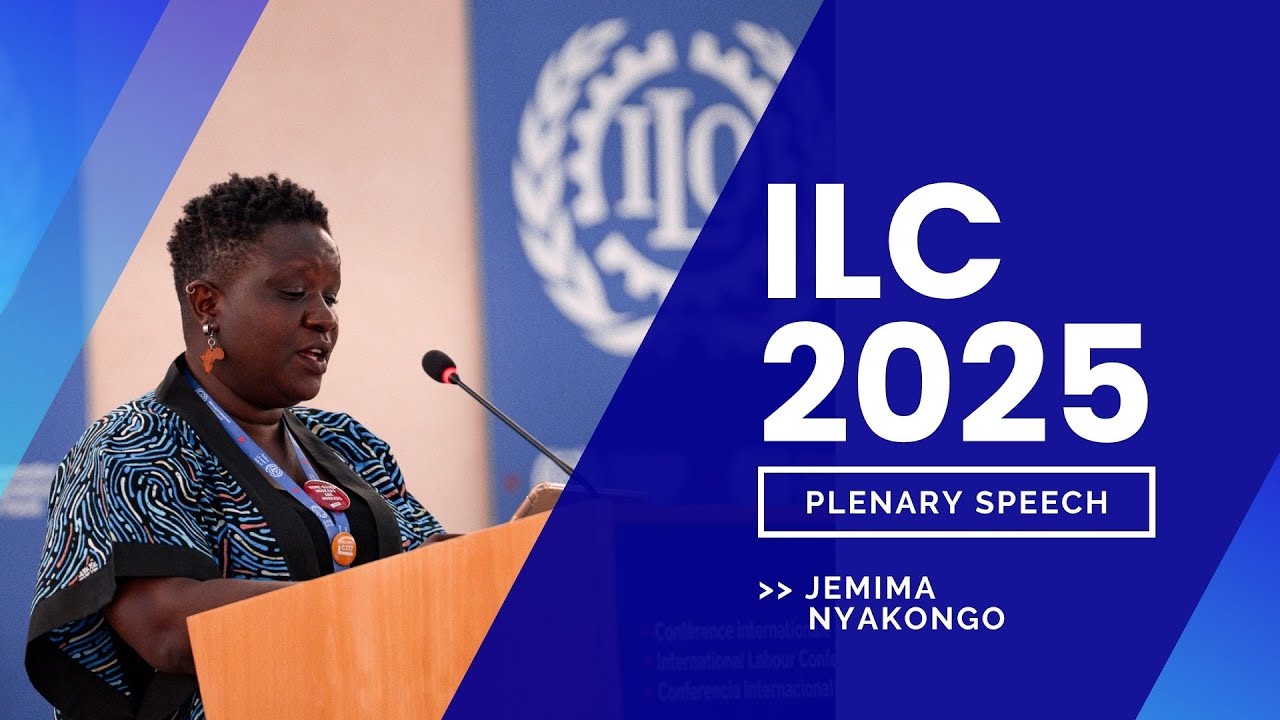
Jemima Nyakongo, HNI Interim Coordinator addressed the Plenary at ILC on June 5th:

She explained how home-based workers like herself contribute significantly to the economy but are often invisible and lack recognition, protections, and rights; thus, it is crucial to formalize their work, expand definitions of “worker” and “workplace,” and address challenges like platform vulnerabilities and climate change to create a more inclusive and fair economy.

ILO Resources

3 Videos